• Heavy‑duty Integrated Reactor‑Column Pressure Vessel,Metal laser cutting machine China, high power laser machine- Honeybee(Guangzhou) Equipment Co.,Ltd,Heavy‑duty Integrated Reactor‑Column Pressure Vessel
  • Heavy‑duty Integrated Reactor‑Column Pressure Vessel,Metal laser cutting machine China, high power laser machine- Honeybee(Guangzhou) Equipment Co.,Ltd,Heavy‑duty Integrated Reactor‑Column Pressure Vessel
  • Heavy‑duty Integrated Reactor‑Column Pressure Vessel,Metal laser cutting machine China, high power laser machine- Honeybee(Guangzhou) Equipment Co.,Ltd,Heavy‑duty Integrated Reactor‑Column Pressure Vessel
  • Heavy‑duty Integrated Reactor‑Column Pressure Vessel,Metal laser cutting machine China, high power laser machine- Honeybee(Guangzhou) Equipment Co.,Ltd,Heavy‑duty Integrated Reactor‑Column Pressure Vessel

Heavy‑duty Integrated Reactor‑Column Pressure Vessel

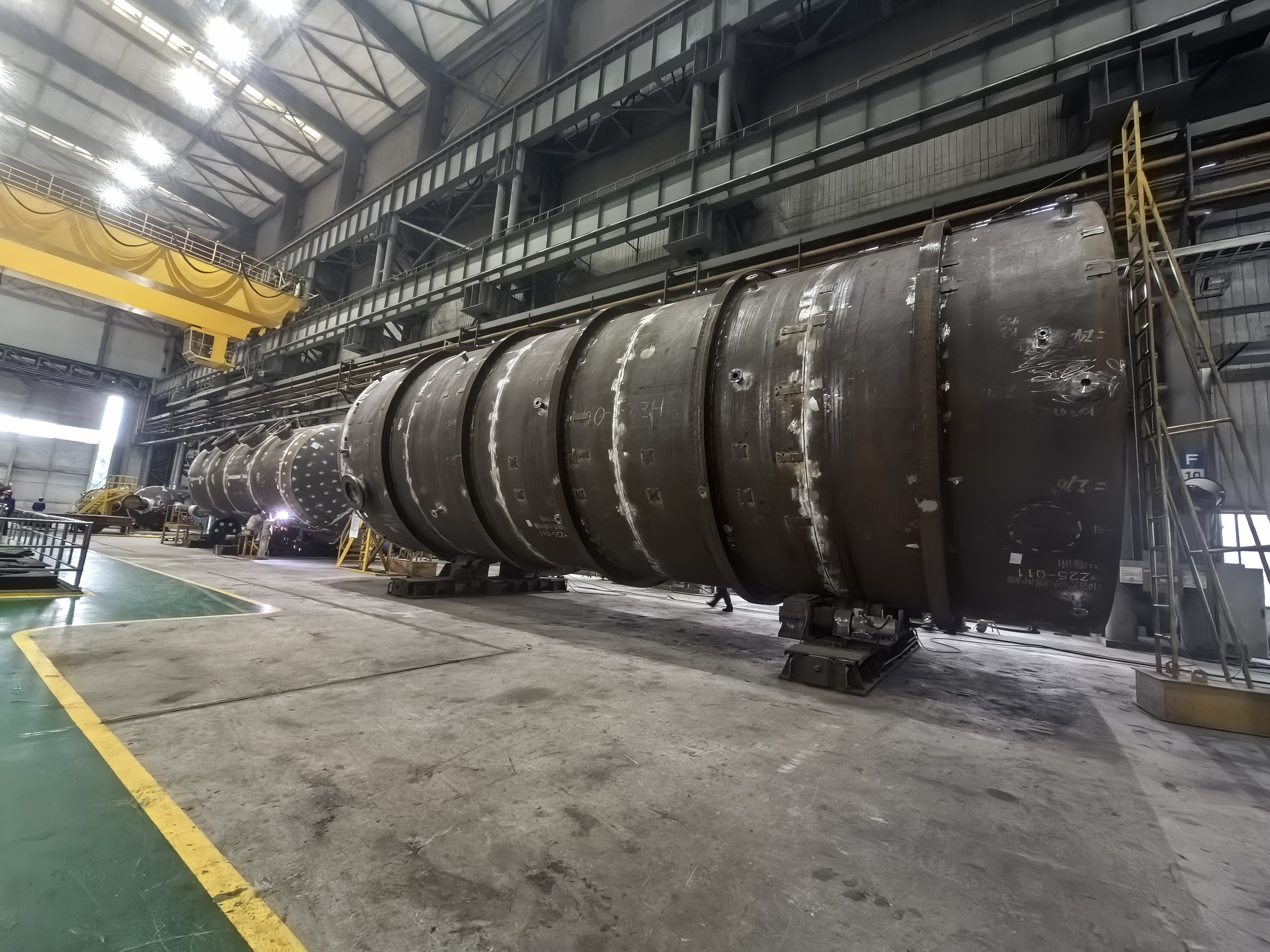
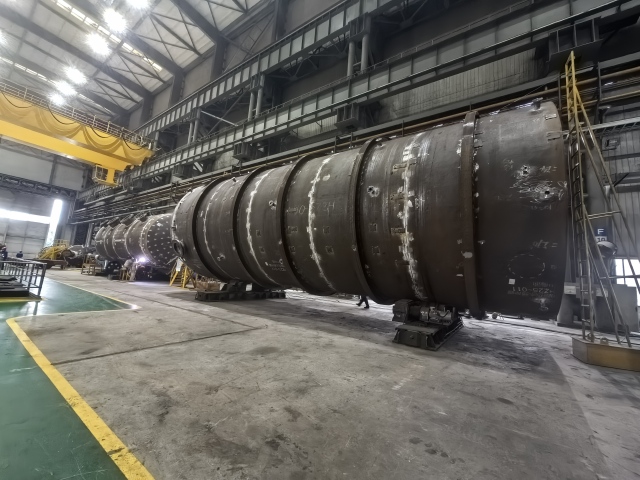
The equipment in the photos is at the **shell forming stage (carbon‑arc gouging & assembly‑welding process)**. Sandblasting and painting have not been performed yet, so the shell retains the base‑material oxide scale. It is supported by turning rolls for rotary machining.
Download
View all downloads
  • Heavy‑duty Integrated Reactor‑Column Pressure Vessel,Metal laser cutting machine China, high power laser machine- Honeybee(Guangzhou) Equipment Co.,Ltd,Heavy‑duty Integrated Reactor‑Column Pressure Vessel
  • Heavy‑duty Integrated Reactor‑Column Pressure Vessel,Metal laser cutting machine China, high power laser machine- Honeybee(Guangzhou) Equipment Co.,Ltd,Heavy‑duty Integrated Reactor‑Column Pressure Vessel

Description

  1. Segmental shell assembly & welding structure The whole equipment is assembled by butt‑welding multiple shell sections into a long cylinder. Square backing plates, lifting lugs, support pads and nozzle reinforcing plates on outer shell are pre‑welded. 
  2. Nozzles & openings: Multiple process nozzles, instrument ports, manholes / handholes and large‑diameter flanged nozzles are distributed on shell for material flow, temperature‑pressure measurement and maintenance access.
  3. Support: The vessel sits on welding turning rolls, enabling cylinder rotation for internal & external circumferential welding, gouging‑grinding and non‑destructive testing.
  4. Material characteristics: Heavy‑wall pressure vessel, most likely made of hydrogen‑resistant steel grades such as 20MnMoNi4‑5, 14Cr1MoR, special steel for hydro‑processing & coal‑chemical services, to resist hydrogen corrosion under medium‑high temperature working conditions.
  5. Two typical service conditions: ① Reactor column: Catalyst loaded inside cylinder for catalytic continuous chemical reactions; ② Reaction‑rectification tower: Chemical reaction and product rectification separation proceed simultaneously.

    3. Main Applications

    Mainly applied in coal‑chemical industry, coal‑to‑hydrogen, methanol plants, oil refining hydro‑processing, degradable new‑material production and ammonia synthesis.

    1. Coal‑chemical industry: Methanol synthesis, shift reaction, coal‑to‑ethylene glycol. Catalyst is loaded inside cylinder for continuous catalytic reactions of flowing feedstock.
    2. Petroleum refining: Hydro‑treating & post‑hydro‑processing units.
    3. Fine chemicals & new materials: Reaction‑rectification process to boost conversion rate by simultaneous reaction and separation.

    Process features: Medium‑high temperature & hydrogen‑containing service. Strict requirements for material hydrogen‑embrittlement resistance, temper‑brittlement resistance and welding quality.

    Internals options: Catalyst support grids, packing, tower trays and built‑in heat‑exchange coils. No outer jacket; heat comes from exothermic reaction or internal coils for heat exchange & temperature regulation.

    4. Key Manufacturing Procedures (reflected in photos)

    1. Steel plate cutting & rolling for shell sections; multi‑segment shell assembly and circumferential seam welding.
    2. Carbon‑arc air‑gouging for back‑gouging (spark‑generating operation in photo): For double‑sided welding of heavy‑wall vessels, to eliminate incomplete penetration and slag inclusions.
    3. Post‑weld Non‑Destructive Testing (NDT): RT radiographic test, UT ultrasonic test, MT magnetic‑particle test.
    4. Post‑weld heat treatment (PWHT) to relieve welding residual stress, mandatory for hydrogen‑service vessels.
    5. Hydrostatic strength test and tightness test.
    6. Final sandblasting, anti‑corrosive painting and internals installation.

    Manufacturing difficulties: Heavy‑wall long‑large cylinder with massive circumferential welding workload; stringent control over welding consumables and PWHT parameters for hydrogen‑resistant service; oversized equipment brings high transportation difficulty after completion.